

Subtotal $0.00



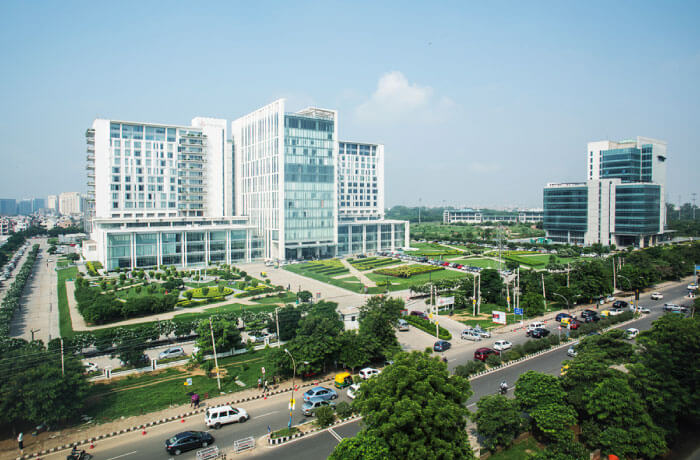
Every year, thousands of Tanzanian patients travel to India for medical treatment. Why? Because India offers world-class healthcare at a fraction of the cost—often 50-80% cheaper than Kenya, UAE, or Western countries—while maintaining international quality standards.
If you’re considering medical treatment in India, you probably have questions: Which hospitals are best? How much will it really cost? What about the visa process? Is the quality truly comparable to what I’d get elsewhere?
This comprehensive guide, written by Dr. Priyank Punatar and the HWC team based on 10+ years of experience coordinating medical care for Tanzanian patients, provides honest, verified information to help you make informed decisions.
Why Tanzanian Patients Choose India for Medical Treatment
According to Global Healthcare Accreditation, approximately 5,000+ Tanzanian patients travel abroad annually for medical treatment, with India being the primary destination. Here’s why:
1. Significant Cost Savings (Verified Data)
India consistently offers the lowest medical costs compared to other international destinations:
| Procedure | India | Kenya | Tanzania | UAE | USA |
|---|---|---|---|---|---|
| Heart Bypass (CABG) | $5,200 | $11,500 | $8,000-12,000 | $20,000-30,000 | $75,000+ |
| Hip Replacement | $6,000 | $7,500 | $5,000-8,000 | $18,000-22,000 | $40,000+ |
| Knee Replacement | $5,000 | $9,000 | $6,000-9,000 | $19,000-24,000 | $45,000+ |
| IVF (per cycle) | $3,000-4,500 | $6,000-8,000 | $3,500-5,000 | $8,000-12,000 | $12,000+ |
| Cataract Surgery | $500 | $1,200 | $800-1,500 | $2,500-4,000 | $3,500+ |
| Dental Implant | $500-800 | $1,500-2,000 | $600-1,200 | $2,000-3,000 | $3,000+ |
Source: Hospital published rates 2025, verified by HWC medical team
2. World-Class Quality & International Accreditation
India has more JCI-accredited hospitals than any other developing nation. Joint Commission International (JCI) is the global gold standard for healthcare quality, used by hospitals in the USA, UK, and Europe.
Top JCI-Accredited Hospitals in India serving Tanzanian patients:
-
- Apollo Hospitals (Chennai, Delhi, Bangalore, Hyderabad)
-
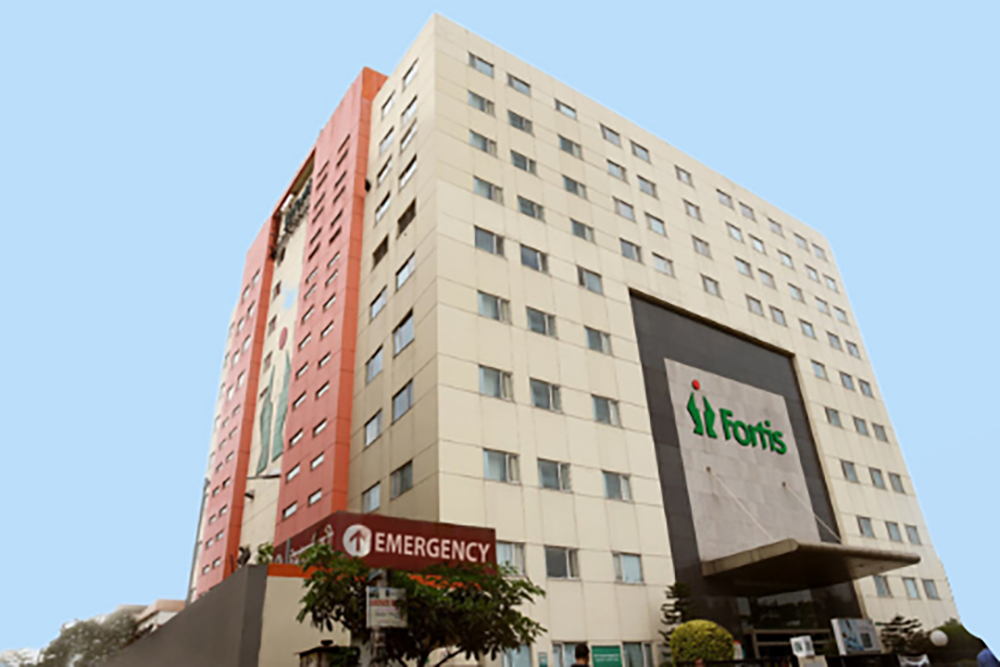
- Fortis Healthcare Network (Delhi, Mumbai, Bangalore)
-
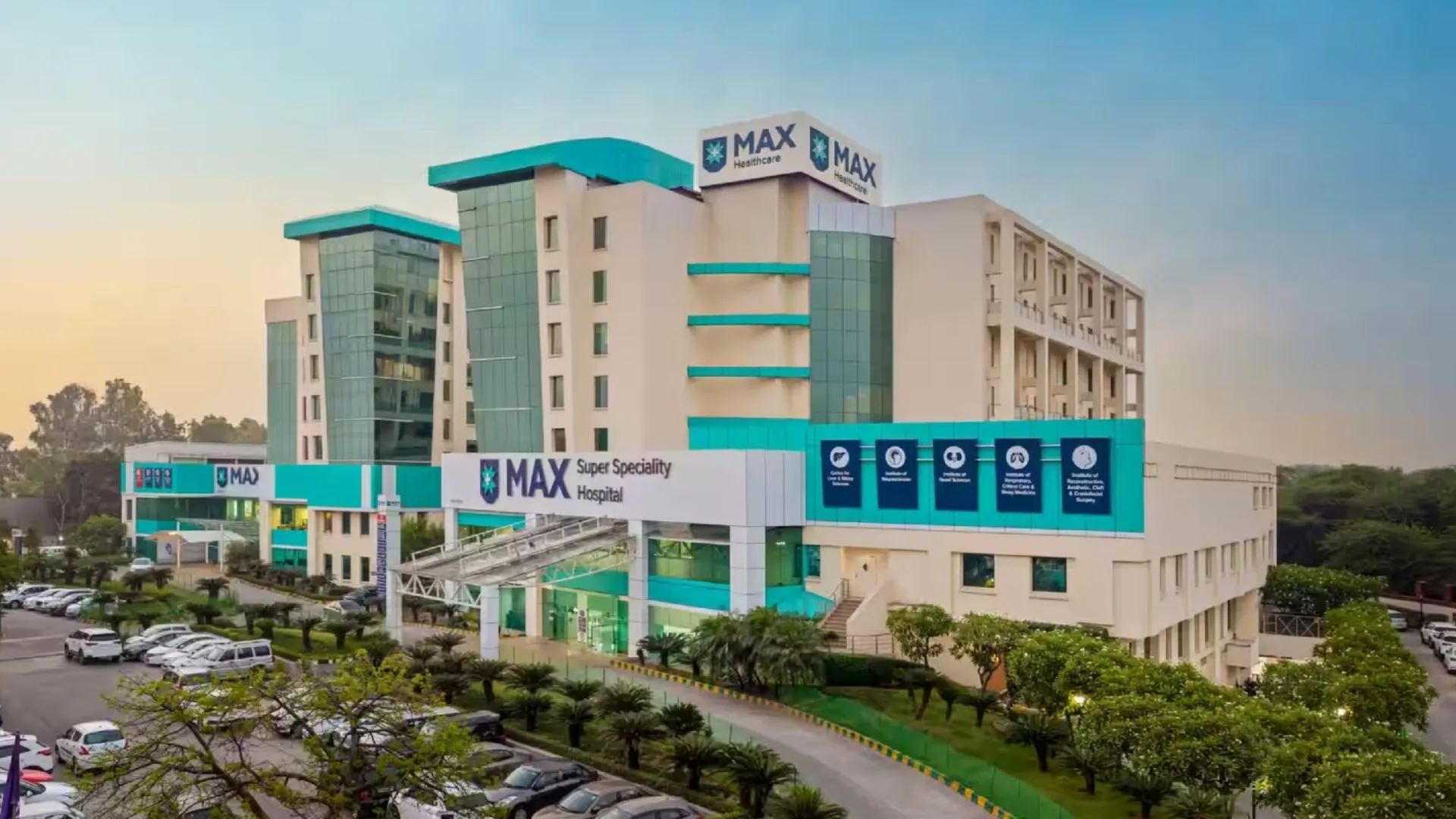
- Max Healthcare (Delhi NCR)
-
- Medanta – The Medicity (Gurgaon)
-
- Narayana Health (Bangalore)
-
- Aster Hospitals (Bangalore, Kerala)
-
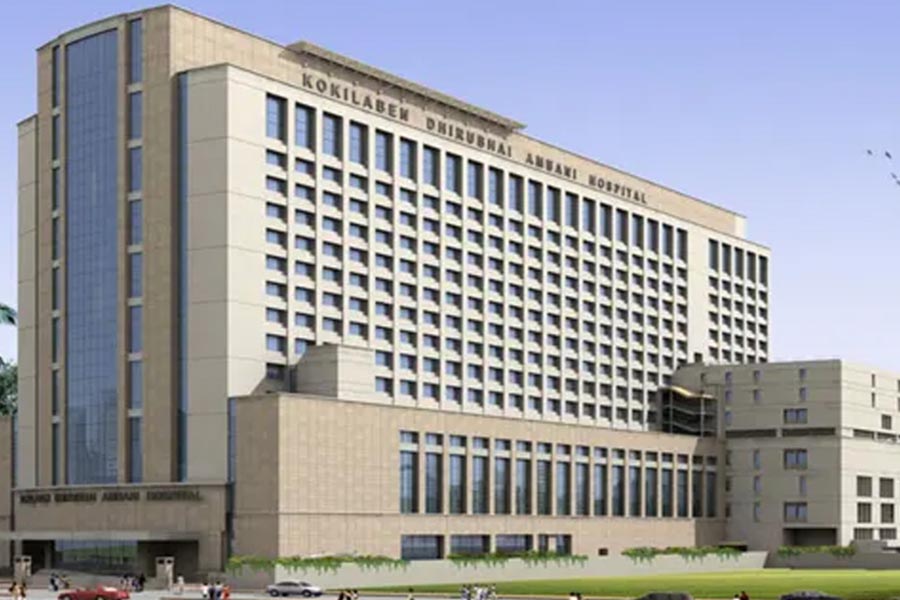
- Kokilaben Dhirubhai Ambani Hospital
3. Availability of Advanced Procedures
Many specialized treatments not available or limited in Tanzania are routinely performed in India:
-
- Cardiac Care: Complex heart valve replacements, pediatric cardiac surgery, ECMO support
-
- Oncology: Advanced radiation therapy (CyberKnife, TrueBeam), immunotherapy, targeted cancer treatments
-
- Neurosurgery: Brain tumor surgery, spinal cord procedures, deep brain stimulation
-
- Organ Transplants: Kidney, liver, bone marrow transplants
-
- Fertility: IVF with PGD/PGS, egg freezing, surrogacy (where legal)
-
- Robotic Surgery: Da Vinci robotic systems for minimally invasive procedures
4. Shorter Waiting Times
In Tanzania’s public hospitals, wait times for elective surgery can be 6-12 months or longer. In India:
-
- Consultations within 1-3 days of arrival
-
- Diagnostic tests completed within 2-4 days
-
- Surgery scheduled within 1-2 weeks
-
- Total trip duration: 10-21 days depending on procedure
5. English-Speaking Medical Staff
English is widely spoken in Indian hospitals, especially those catering to international patients. Medical reports, consent forms, and discharge summaries are all provided in English, eliminating language barriers.
Top Medical Procedures Tanzanians Seek in India
Based on HWC’s patient data and Global Healthcare Accreditation statistics, here are the most common treatments Tanzanian patients seek in India:
1. Cardiac Surgery & Heart Treatment
Why India? Advanced cardiac care centers with internationally-trained cardiologists and cardiac surgeons
Common Procedures:
-
- Coronary Artery Bypass Grafting (CABG) – $5,200
-
- Heart Valve Replacement (mechanical/biological) – $6,000-10,000
-
- Angioplasty & Stenting – $2,500-4,000
-
- Pacemaker Implantation – $2,000-3,500
-
- Pediatric Cardiac Surgery – $5,000-8,000
-
- ECMO Support – Available at major centers
Best Hospitals:
-
- Fortis Escorts Heart Institute, Delhi
-
- Narayana Hrudayalaya, Bangalore (largest cardiac center globally)
-
- Apollo Hospitals, Chennai
-
- AIIMS (All India Institute of Medical Sciences), Delhi
Success Rates: 95-98% for primary cardiac procedures (comparable to USA/European centers)
2. Orthopedic Surgery (Hip & Knee Replacement)
Why India? Cost savings of 50-60% compared to Kenya, with FDA/CE-approved implants
Common Procedures:
-
- Total Hip Replacement – $6,000 (vs $7,500 in Kenya)
-
- Total Knee Replacement – $5,000 (vs $9,000 in Kenya)
-
- Bilateral Knee Replacement – $8,500
-
- Spinal Fusion Surgery – $6,000-9,000
-
- ACL Reconstruction – $2,500-3,500
-
- Shoulder Replacement – $5,500-7,000
Implant Brands Used:
-
- Zimmer (USA)
-
- Stryker (USA)
-
- DePuy (USA)
-
- Smith & Nephew (UK)
Best Hospitals:
-
- Max Healthcare, Delhi
-
- Fortis Hospital, Delhi/Mumbai
-
- Apollo Hospitals Network
-
- Manipal Hospitals
3. Fertility Treatment & IVF
Why India? Advanced fertility centers with success rates matching international standards at 40-60% lower cost
Common Treatments:
-
- IVF (In Vitro Fertilization) – $3,000-4,500 per cycle
-
- ICSI (Intracytoplasmic Sperm Injection) – Included in IVF
-
- IUI (Intrauterine Insemination) – $300-500
-
- Egg Freezing – $2,000-3,000
-
- PGD/PGS (Genetic Testing) – $1,500-2,500 additional
-
- Donor Programs – Available at select centers
Success Rates: 30-40% per cycle (age-dependent, comparable to USA clinics)
Best Fertility Centers:
-
- Nova IVF Fertility (Multiple locations)
-
- Apollo Fertility, Chennai
-
- Fortis Bloom IVF Centre
-
- Cloudnine Fertility, Bangalore
4. Cancer Treatment (Oncology)
Why India? Access to advanced radiation therapy, immunotherapy, and targeted treatments
Treatments Available:
-
- Chemotherapy (all major protocols)
-
- Radiation Therapy (IMRT, IGRT, TrueBeam, CyberKnife)
-
- Surgical Oncology
-
- Immunotherapy (CAR-T, checkpoint inhibitors)
-
- Targeted Therapy
-
- Bone Marrow Transplant
Cost Examples:
-
- Chemotherapy cycle: $800-1,500
-
- Radiation therapy (full course): $2,500-4,000
-
- Breast cancer surgery: $3,000-5,000
-
- Prostate cancer treatment: $4,000-7,000
Best Cancer Hospitals:
-
- Tata Memorial Hospital, Mumbai
-
- AIIMS, Delhi
-
- Apollo Cancer Centre, Chennai
-
- Fortis Memorial Research Institute, Gurgaon
5. Dental Tourism
Why India? Massive cost savings (60-80%) on dental implants, cosmetic dentistry, and full mouth rehabilitation
Common Procedures:
-
- Dental Implant – $500-800 (vs $3,000 in USA)
-
- Full Mouth Rehabilitation – $3,500-6,000
-
- Smile Makeover (veneers) – $200-400 per tooth
-
- Root Canal Treatment – $80-150
-
- Orthodontics (braces) – $800-1,500
-
- All-on-4 Implants – $4,000-6,000
Duration: 5-7 days for most procedures; 10-14 days for full mouth work
How to Choose the Right Hospital in India
With hundreds of hospitals in India, how do you choose? Here’s HWC’s verification checklist:
Hospital Selection Checklist
JCI Accreditation: Verify on JCI website (www.jointcommissioninternational.org)
NABH Accreditation: National Accreditation Board for Hospitals (India’s national standard)
International Patient Department: Dedicated staff for foreign patients
English-Speaking Doctors: Confirm physicians are comfortable in English
Published Success Rates: Hospital should transparently share outcomes data
Specialist Experience: Surgeon should have 10+ years experience in specific procedure
Modern Equipment: Verify hospital has latest technology for your procedure
Transparent Pricing: Itemized cost breakdown provided upfront
Patient Reviews: Check Google reviews, medical tourism forums
Follow-Up Plan: Clear post-treatment care and emergency contact
Medical Visa Process: India from Tanzania
Tanzanian citizens need a medical visa to receive treatment in India. Here’s the process:
Step 1: Required Documents
-
- Valid Tanzanian passport (6+ months validity, 2 blank pages)
-
- Medical referral letter from hospital in India
-
- Letter from local doctor recommending treatment abroad (on official letterhead)
-
- Hospital appointment confirmation from India
-
- Yellow fever vaccination certificate (mandatory for Tanzania)
-
- Bank statement (last 3 months) showing sufficient funds
-
- Two passport-size photographs
-
- Return flight tickets (or proof of booking)
Step 2: Online Application
Website: Indian Visa Online portal
Visa Type: e-Medical Visa
Processing Time: 24-48 hours (urgent), 3-5 days (regular)
Fee: $80 USD
Validity: 60 days from first entry, triple entry allowed
Step 3: Upon Arrival in India
After arriving in India, you must register with FRRO (Foreigners Regional Registration Office) within 14 days. Most hospitals’ international patient departments assist with this.
Important: HWC provides complete visa assistance including hospital referral letters, appointment confirmations, and application guidance.
Total Cost Planning: Beyond Medical Expenses
When budgeting for treatment in India, account for these expenses:
Complete Cost Breakdown Example: Hip Replacement in India
| Expense Category | Cost (USD) |
|---|---|
| MEDICAL COSTS | |
| Hip Replacement Surgery | $6,000 |
| Hospital Stay (5-6 days) | Included |
| FDA-Approved Implant | Included |
| Pre-op tests & imaging | $300 |
| Physiotherapy (8 sessions) | $200 |
| Medications (30-day supply) | $150 |
| TRAVEL COSTS | |
| Round-trip flights (Dar es Salaam to Delhi) | $600-900 |
| Airport transfers in India | $40-60 |
| Medical visa fee | $80 |
| ACCOMMODATION | |
| Hotel (10 nights post-discharge) | $400-600 |
| OTHER EXPENSES | |
| Travel insurance | $100-150 |
| Meals & incidentals (14 days) | $350-500 |
| HWC coordination services | $500-800 |
| TOTAL ESTIMATE | |
| Complete Package Cost | $8,720-10,740 |
| vs. Kenya: $12,000-15,000 | |
| vs. USA: $40,000-60,000 | |
| Total Savings vs USA | $29,000-51,000 (74-82%) |
How HWC Coordinates Your India Medical Journey
Health and Wellness Companion (HWC) provides physician-led medical tourism coordination—not just travel logistics. Here’s how we’re different:
What Makes HWC Unique: Physician-Led Coordination
Dr. Priyank Punatar (MD, Nephrologist) personally reviews every case. Unlike other medical tourism facilitators in Tanzania who only handle logistics, HWC provides:
-
- Medical Case Review: Dr. Priyank evaluates your medical records and recommends appropriate treatment options
-
- Hospital Matching: We connect you to the hospital best suited for your specific condition (not just our “partner” hospitals)
-
- Second Opinions: Get expert medical opinion before committing to surgery
-
- Post-Treatment Follow-Up: Continue care in Tanzania with Dr. Priyank’s oversight
-
- Medication Coordination: Ensure prescribed medications are available in Tanzania
-
- Telemedicine Bridge: Connect you to Indian specialists for follow-up consultations
HWC’s Complete Service Package
Before Treatment:
-
- Free medical consultation with Dr. Priyank
-
- Medical records review and case compilation
-
- Hospital and specialist recommendations (2-3 options)
-
- Transparent cost estimates with itemized breakdown
-
- Medical visa documentation and application support
-
- Travel arrangements (flights, accommodation near hospital)
During Treatment:
-
- Airport pickup in India
-
- Hospital admission assistance
-
- Daily communication and updates to family
-
- Language interpretation if needed
-
- 24/7 emergency support
-
- Coordination with hospital staff
After Treatment:
-
- Post-treatment medical review with Dr. Priyank in Tanzania
-
- Follow-up appointment scheduling
-
- Local medication availability assistance
-
- Medical report sharing with your Tanzanian doctor
-
- Telemedicine consultations with Indian specialists (if needed)
-
- Long-term health monitoring and guidance
Frequently Asked Questions
Q: Is medical care in India really safe for Tanzanian patients?
A: Yes, when you choose JCI-accredited hospitals. JCI (Joint Commission International) is the same accreditation standard used by top hospitals in the USA, UK, and Europe. India has 60+ JCI-accredited hospitals—more than any other developing nation. Success rates at these hospitals match or exceed Western standards.
Q: Do Indian doctors and nurses speak English?
A: Yes. English is widely spoken in Indian hospitals, especially those with international patient departments. All medical reports, consent forms, prescriptions, and discharge summaries are provided in English. Most doctors at major hospitals completed their medical training in English.
Q: How long do I need to stay in India for treatment?
A: Duration varies by procedure:
-
- Diagnostic tests/consultations: 3-5 days
-
- Dental procedures: 5-7 days
-
- IVF treatment: 21-25 days
-
- Hip/knee replacement: 10-14 days
-
- Cardiac surgery: 14-21 days
-
- Cancer treatment: Varies (1-6 weeks depending on protocol)
Q: What if something goes wrong or I have complications?
A: Major Indian hospitals have 24/7 emergency departments and ICUs. If complications occur:
-
- Hospital manages immediate care
-
- HWC coordinator stays with you throughout
-
- Travel can be extended (we assist with visa extension if needed)
-
- Upon return to Tanzania, Dr. Priyank coordinates follow-up care
-
- Telemedicine consultations with Indian specialists arranged
Important: This is why we recommend travel insurance covering medical complications.
Q: Can I bring a family member with me?
A: Yes. Medical attendants (up to 2 family members) can apply for medical attendant visas to accompany you. HWC assists with their visa applications and coordinates their accommodation.
Q: Are the medications and implants used in India the same quality as in USA/Europe?
A: JCI-accredited hospitals use FDA and CE-approved medications and medical devices. For orthopedic implants, Indian hospitals use the same brands as Western hospitals: Zimmer, Stryker, DePuy, Smith & Nephew. For cardiac devices, brands include Medtronic, Abbott, Boston Scientific. Always verify implant brand and warranty before surgery.
Q: How do I pay for treatment? Do hospitals accept payment plans?
A: Payment methods vary by hospital:
-
- Upfront payment: Some hospitals require full payment before procedure
-
- Deposit + balance: Many accept 30-50% deposit, balance after treatment
-
- Payment methods: Wire transfer, credit card (3-4% fee), cash (USD or INR)
-
- Insurance: Some Indian hospitals work with international insurance companies
HWC provides transparent cost estimates and helps you understand payment schedules before you commit.
Honest Assessment: When NOT to Go to India
Medical tourism to India isn’t always the right choice. Here’s when you should consider staying in Tanzania or choosing another destination:
Stay in Tanzania If:
-
- ❌ You need emergency care (trauma, acute heart attack, stroke) – Don’t travel, seek immediate local care
-
- ❌ Your condition is unstable and you’re not fit to fly
-
- ❌ You need routine procedures available locally at acceptable quality (diagnostic tests, minor surgeries)
-
- ❌ Total cost savings are less than $3,000 – Travel stress may not be worth it
-
- ❌ You’re unable to be away from family for 2-3 weeks
-
- ❌ You need ongoing chronic disease management – Better to have local doctor you see regularly
Consider India If:
-
- ✅ You need a specialized procedure not available in Tanzania
-
- ✅ Cost savings are significant ($5,000+ difference)
-
- ✅ You’re medically stable and fit to travel
-
- ✅ You can allocate 2-4 weeks for treatment + recovery
-
- ✅ Local treatment wait times are 6+ months
-
- ✅ You want access to latest technology (robotic surgery, advanced radiation therapy, etc.)
-
- ✅ You’re seeking a second opinion from international specialists
Getting Started: Your Next Steps
If you’re considering medical treatment in India, here’s how to begin:
Step 1: Free Consultation with HWC
Contact HWC for a free, no-obligation consultation with Dr. Priyank Punatar. Bring:
-
- Recent medical reports
-
- Diagnosis from your local doctor
-
- Any imaging (X-rays, CT, MRI) on CD/USB
-
- List of current medications
-
- Your questions and concerns
Step 2: Medical Case Review
Dr. Priyank will:
-
- Review your medical history and current condition
-
- Assess if travel for treatment is medically appropriate
-
- Recommend 2-3 hospital options in India
-
- Provide honest guidance on expected outcomes
-
- Answer all your medical questions
Step 3: Hospital Selection & Cost Estimate
HWC will:
-
- Send your records to selected Indian hospitals
-
- Obtain detailed treatment plans
-
- Get itemized cost breakdowns
-
- Arrange teleconsultations with Indian specialists
-
- Provide complete trip cost estimate (medical + travel)
Step 4: Decision & Planning
Once you decide to proceed, HWC handles:
-
- Hospital booking confirmation
-
- Medical visa documentation and application
-
- Flight and accommodation booking
-
- Travel insurance coordination
-
- Pre-departure preparation guidance
Contact HWC for Medical Tourism to India
Health and Wellness Companion (HWC)
Physician-Led Medical Tourism Coordination
📞 Phone/WhatsApp: +255 784 864 414
✉️ Email: care@hw-companion.com
🌐 Website: hw-companion.co.tz/
📍 Office: Dar es Salaam, Tanzania
Available: Monday-Friday 8:00 AM – 6:00 PM EAT
Emergency Support: 24/7 for active patients
About the Author
Dr. Priyank Punatar, MD (Nephrology) is a practicing physician in Dar es Salaam, Tanzania with 10+ years of experience in Tanzania’s healthcare system. He founded Health and Wellness Companion (HWC) to provide physician-led medical tourism coordination, addressing the gap between patient needs and quality healthcare access. Dr. Priyank personally reviews every patient case and provides continuity of care before, during, and after international treatment.
Bhavisha Doshi, Co-Founder, is a solicitor and healthcare leader who brings legal and operational expertise to HWC’s patient-centered approach.
Medical Disclaimer: This article is for educational purposes only and does not constitute medical advice. Always consult with qualified healthcare professionals before making medical decisions. Treatment outcomes vary by individual. Costs and procedures mentioned are approximate and subject to change.
Sources: Global Healthcare Accreditation, JCI Accreditation Database, Hospital published rates 2025, WHO Medical Tourism Data, Indian Ministry of Tourism statistics.
Educational Content Disclaimer
Content published on the HWC website and blog is intended for educational purposes only. Articles may be reviewed by medical professionals but are not a substitute for personalized medical advice.
Readers should consult qualified healthcare providers before making medical decisions based on published content.
Comments are closed